
Blogs
Are there dangerous mycotoxins in your food or coffee?
Could there be mold poisons in your coffee or food? Learn more about the risks of exposure to mycotoxins.
Symptoms of Mold Illness
Mold symptoms are often misdiagnosed or missed entirely, but they can cause real
6 Questions to Ask Yourself If You Suspect Mycotoxin Toxicity
Have you been dealing with a variety of mysterious health issues or symptoms that you just can’t seem to nail down? Ask yourself these 6 questions to figure out if mold illness is causing your symptoms.
US BioTek and RealTime Labs Acquisition
US BioTek Laboratories Acquires RealTime Laboratories, expanding testing menus and increasing capacity for innovation.
Using Saunas for Detoxification
We recently talked about how important glutathione is for detoxification, and in this
Glutathione: Why is it important for detox & how to improve the amount in your body
This month’s blog is focusing on what I consider one of the most
Is your indoor environment making your pet sick?
Today I’m tackling the question “Is your indoor environment making your pet sick?”
Assessing your Exposure to Glyphosate
We are extremely excited about our new Glyphosate Exposure Analysis Test. Today I’ll be talking about what glyphosate is, how it can affect your health, and how to potentially deal with it
Home testing for mold and mycotoxin
Welcome back to the RTL blog. Recently, I discussed what symptoms could indicate

Signs Your Pet May Be Experiencing Mold Illness
As a loving pet owner, you do everything you can to ensure your pets are happy and healthy. However, it can be hard to protect them from invisible dangers, like Mold Illness. Learn more about the symptoms and how to keep your pet safe.
The Difference Between Mold Spores and Mycotoxins
What actually causes illness, mold spores or mycotoxins? Learn the difference between the two and what
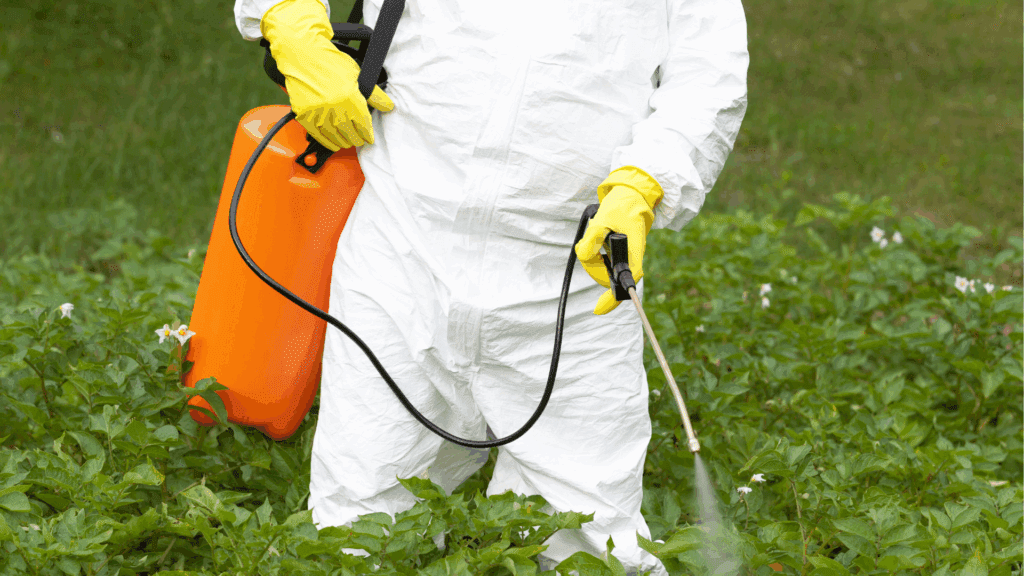
Glyphosate Basics: Understanding Pesticide Pollutant Danger
Learn about how we are exposed to this environmental pollutant, what glyphosate exposure can do to your body, and how to get tested.
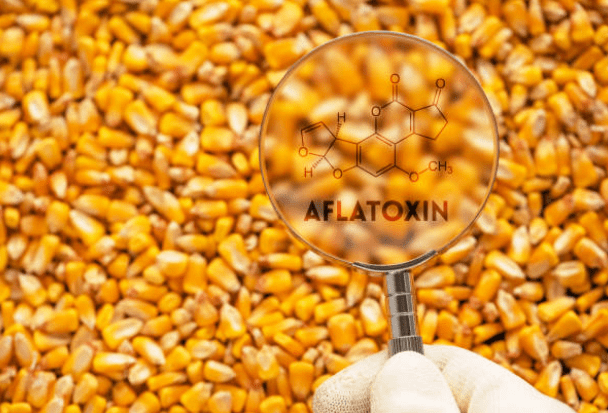
Are there dangerous mycotoxins in your food or coffee?
Could there be mold poisons in your coffee or food? Learn more about the risks of exposure to mycotoxins.

¿Hay micotoxinas en su comida o café?
En el blog de este mes respondo a la pregunta más habitual de todos: “¿Hay micotoxinas en mis alimentos?”. La respuesta corta es sí, pero

食品やコーヒーにマイコトキシンは含まれているか?
今月のブログでは、皆の最も一般的な質問に答える:「私の食品にマイコトキシンは含まれていますか? 短い答えはイエスだが、多くの食品に含まれるマイコトキシンの量は少ない。 米国と欧州連合(EU)は、食品に含まれるマイコトキシンに厳しい制限を設けている。 マイコトキシンに汚染された食品の制限値はゼロではないため、ほとんどの人が尿中にわずかながらマイコトキシンを持っていることになる。 毒物学では「毒は用量によって決まる」という言葉がよく使われるが、これはスイスの医師であり化学者であったパラケルススの言い換えで、どんなものでも暴露量によっては毒になりうるという意味である。 つまり、カビ毒にさらされているかどうかは重要ではなく(さらされている)、どの程度さらされているかが重要なのだ。 測定された毒素源は、アスペルギルスと ペニシリウム由来のオクラトキシンA(OTA)とアルテルナリア由来の毒素である。 欧州委員会は、どの食品が少量のOTA暴露につながるかを評価した。 報告書によると、穀物、コーヒー、ビール、ワイン、ココア、ドライフルーツ、肉、香辛料がOTAの最も重要な供給源であった。 その報告書では、OTA摂取量の10%がコーヒーによるものと推定されている1。 アルテルナリアは5種類の毒素を産生する:Altenuene、Alternariol、Alternariol monomethylether、Tentoxin、Tenuazonic Acidである。 これらは上述したものと同様の製品に見られる2。 2019年6月現在、食品中のアルテルナリア毒素に関する規制はないが、最大基準値は検討中である。 コーヒーはマイコトキシンの最大の発生源であるようなので、以下のような疑問がある。 1)マイコトキシンはコーヒーで分解されるのか、 2) コーヒーからどれだけのマイコトキシンが検出されたか、 3) コーヒーの産地は重要か? 4) コーヒーを飲む人は、飲まない人に比べて体内のマイコトキシンが多いのか? ほとんどの食品は、消費される前に何らかの形で加工される。