
Understanding Mycotoxin Binders: Your Guide to Detoxification
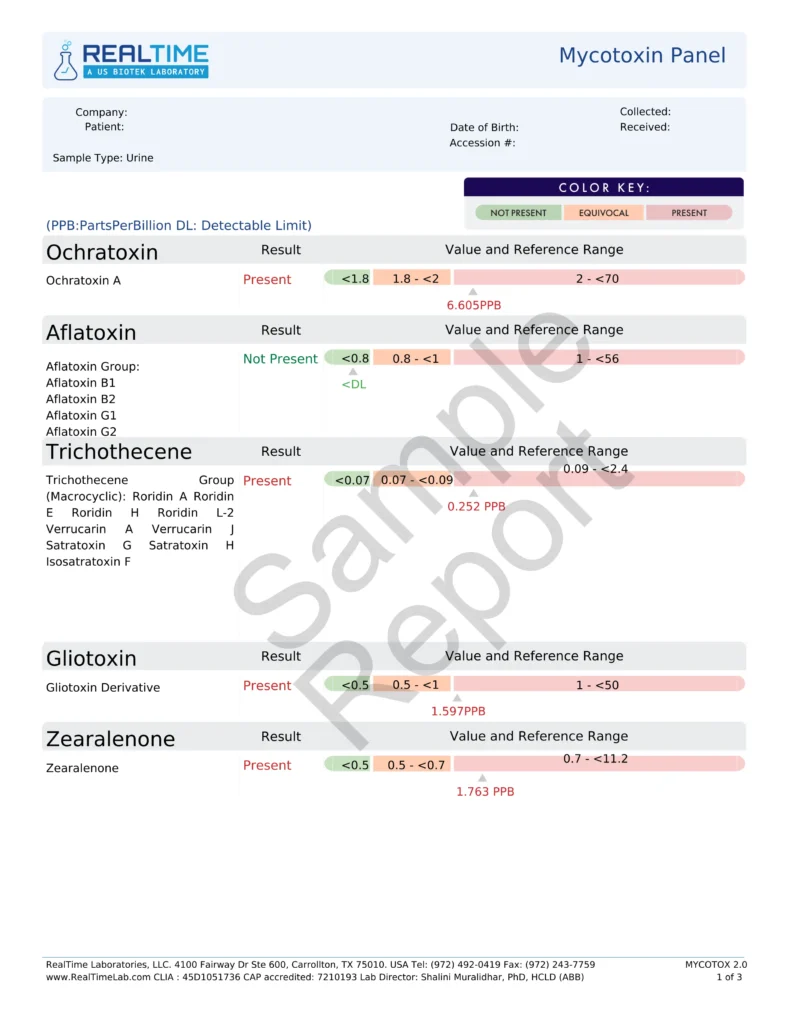
If you’ve tested positive for mycotoxin exposure through testing at RealTime Labs or another facility, you may have heard about “binders” as part of your recovery plan. But what are they, and how do they work?
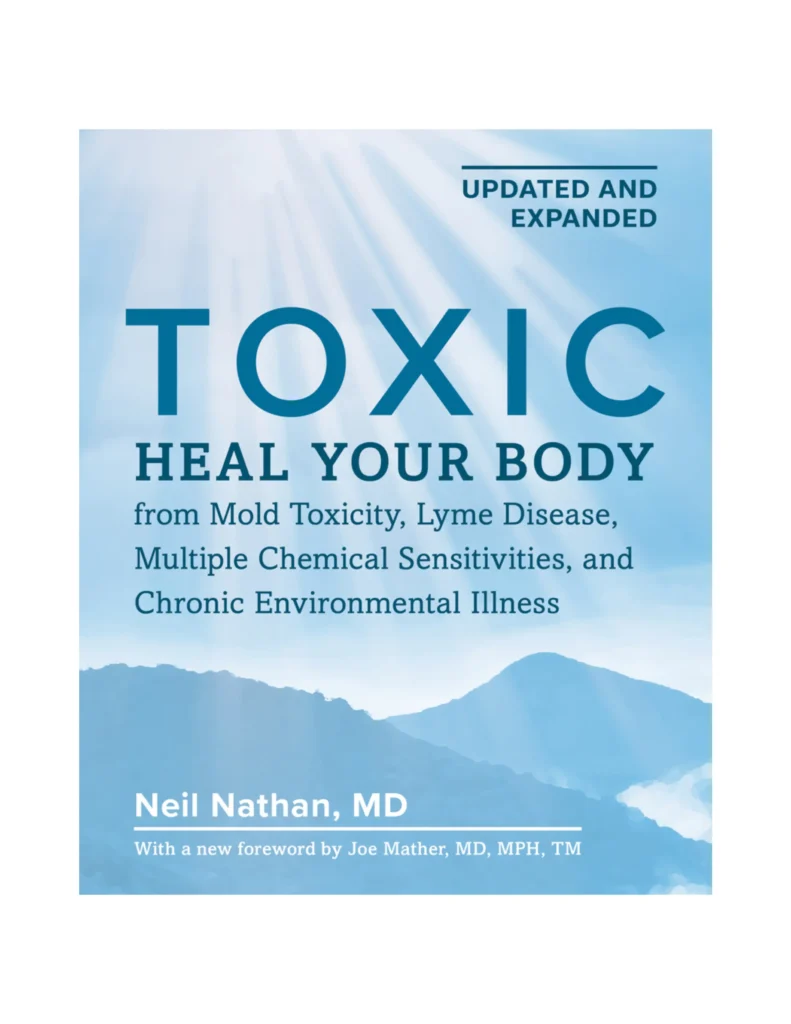
For many patients with mold illness, detoxification can feel overwhelming, especially when dealing with fatigue, brain fog, and/or any multitude of symptoms. As Dr. Neil Nathan explains in his book Toxic: Heal Your Body, “Many patients come to me having been sick for so long without correct diagnosis that they are extremely toxic and sensitive.”
This sensitivity is where the correct use of binders and dosing becomes essential – but not all binders work the same way for every person or every mycotoxin.
What Are Mycotoxin Binders?
Think of binders as tiny magnets traveling through your digestive system. They attach to a variety of toxins including mycotoxins in your gut and escort them out of your body through stool, preventing them from being reabsorbed into your bloodstream and helping your body eliminate them safely.
Why Personalized Detox Matters: The Science Behind Targeted Binders
You may have heard of protocols that recommend the same binder for all mold illness patients. While standardized approaches can provide an easy starting point when you’re not sure how to move forward, however, the latest research suggests a more nuanced and tailored approach to get the best results.
The science is clear: Different mycotoxins have different chemical structures, and they bind preferentially to different substances.
Cholestyramine or Welchol, a commonly prescribed binder in popular one-size-fits-all protocols, binds effectively with fumonisins, ochratoxin, and zearalenone, but not with aflatoxins or trichothecenes – which are common mycotoxins produced by Stachybotrys chartarum (“black mold”) in water-damaged buildings. This is because the binding affinity between a mycotoxin and a binder depends on their molecular compatibility – not all binders work equally well for all toxins.
When you test positive for specific mycotoxin markers through RealTime Labs testing, you can work with your healthcare provider to identify which binders research suggests are most effective for your specific toxin exposure. This evidence-based, personalized approach allows you to target your detoxification efforts based on your actual mycotoxin burden rather than applying a generic protocol.
Common Binder Options
While many binders are available, here are some of the most commonly used options:
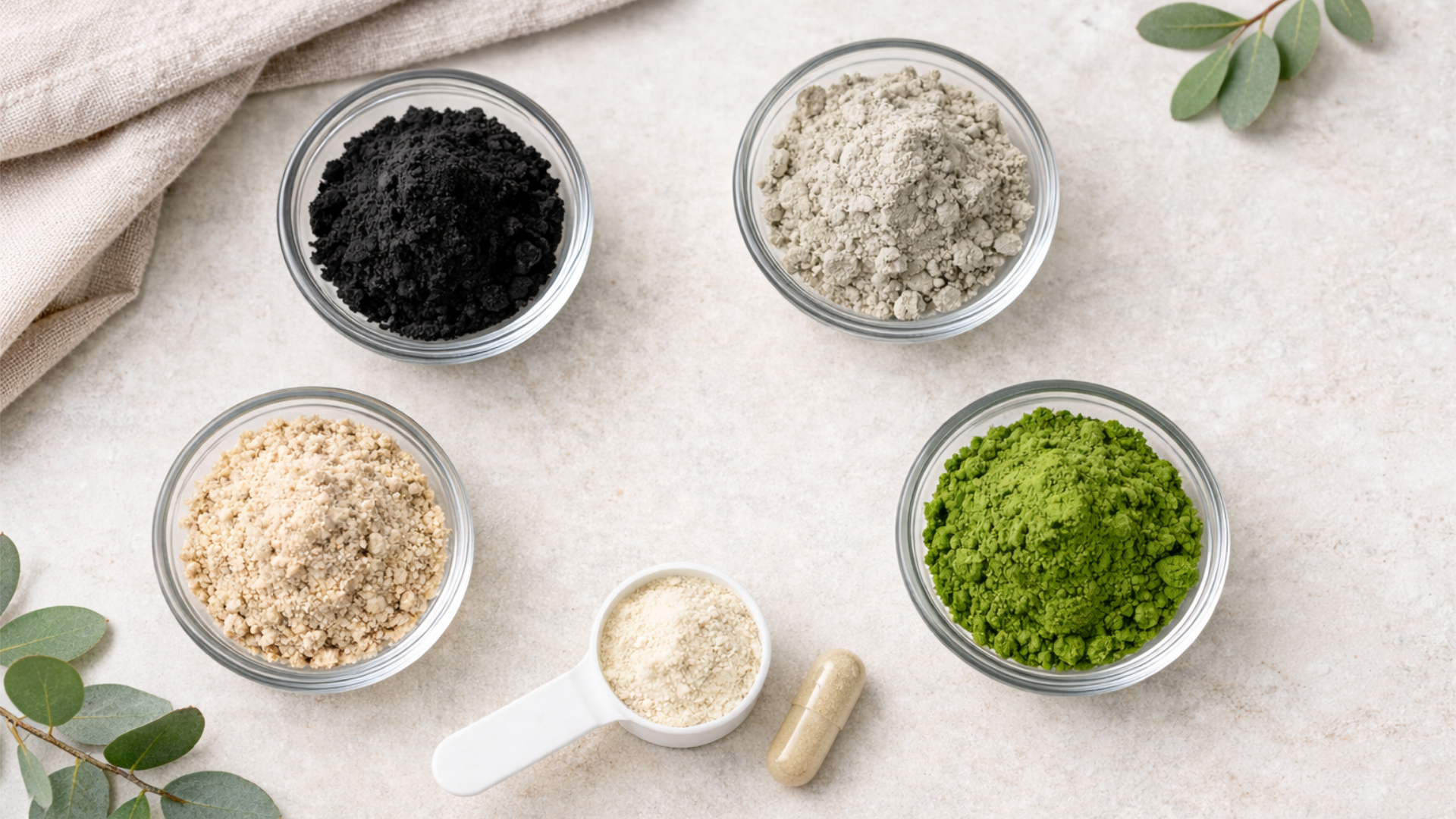
Activated Charcoal: A highly porous substance that can trap various toxins as they pass through the digestive system. Often used for multiple mycotoxin types.
Bentonite Clay: A natural clay with strong binding properties. Research suggests it may be particularly effective for certain mycotoxins like aflatoxins.
Cholestyramine (or Welchol): Prescription medications originally developed for cholesterol management. Some practitioners use these for mycotoxin binding, particularly for ochratoxin, fumonisins, and zearalenone.
Chlorella: A green algae that acts as a binder while also providing nutritional support.
Specialized Probiotics: Certain beneficial bacteria and yeasts (like Saccharomyces boulardii) may help break down and eliminate specific mycotoxins in the gut.
The key is matching the right binder to your specific mycotoxin exposure, which is why testing is so important.
For detailed information on specific binder usage and toxic detoxification, we recommend consulting Dr. Neil Nathan’s book Toxic: Heal Your Body, which provides comprehensive guidance on matching supplements and foods for specific pecific mycotoxins and detox pathways.
Tips For Starting A Binder Protocol
Go Slow
Start low and increase gradually. This is especially important if you’re sensitive – remember that more is not better. To avoid uncomfortable side effects, start slow.
Important tips:
- Work with a qualified healthcare provider who understands mycotoxin illness
- Take binders away from meals, medications, and supplements (usually 1-2 hours apart) so they don’t interfere with nutrient absorption
- Listen to your body and adjust as needed
Supporting Your Body's Natural Detox Pathways
While binders are crucial, they work best when combined with support for your liver and body’s natural detoxification systems. For sensitive patients, it’s essential to help the body move out of “fight or flight” mode to allow proper detoxification to occur. Your liver processes mycotoxins through several pathways, and certain nutrients and foods can assist these processes.
Consider organic acids testing to understand your body’s current ability to detoxify and identify specific dietary supports needed for your individual biochemistry.
Important Reminders
Get tested first: Know which mycotoxins you’re dealing with through comprehensive testing at RealTime Labs before starting a binder protocol.
Identify your exposure source: Understanding where your mycotoxin exposure is coming from is critical for long-term recovery. Consider our combination test EMMA (Environmental Mold and Mycotoxin Assessment),to quantify 15 specific molds and 16 mycotoxin in your environment. When interpreted with urinary mycotoxin results, this provides insights into exactly how your environment is impacting your health.
Personalize your approach: Your binder protocol should match your specific test results, not a generic recommendation. Additionally, identifying the source of your mycotoxin exposure is essential for preventing recontamination. See above for more details.
Be patient: Detoxification takes time. Your symptoms may fluctuate as toxins are mobilized and eliminated.
Stay hydrated: Drinking plenty of clean water helps flush toxins from your system.
Monitor your progress: Follow-up testing can show you and your practitioner what’s working and when you’ve successfully reduced your mycotoxin burden. It is common to see a spike in levels of mycotoxins being excreted on the first follow-up test after treatment protocols have started.

The Bottom Line
Mycotoxin binders are powerful tools in your recovery, but they’re not one-size-fits-all. Your unique mycotoxin test results should guide your detoxification strategy. By testing with RealTime Labs, identifying your specific mycotoxin exposures, choosing targeted binders, and working with a knowledgeable healthcare provider, you can create a personalized protocol that supports your body’s healing journey.
Remember: mold illness recovery is a marathon, not a sprint. With the right testing, guidance, and patience, your body has an incredible capacity to heal.
This information is for educational purposes only and is not a substitute for medical advice. Always consult a qualified healthcare practitioner when addressing mycotoxin exposure and detoxification.
References
Nathan, N. (2018). Toxic: Heal Your Body from Mold Toxicity, Lyme Disease, Multiple Chemical Sensitivities, and Chronic Environmental Illness. Victory Belt Publishing.
Kolosova, A., & Stroka, J. (2011). Substances for reduction of the contamination of feed by mycotoxins: a review. World Mycotoxin Journal, 4(3), 225-256.
Ogbonna, U., Upadhyay, A.K., Baran, K., Okpala, C.O.R., Korzeniowska, M., & Guiné, R.P.F. (2022). Mycotoxins Affecting Animals, Foods, Humans, and Plants: Types, Occurrence, Toxicities, Action Mechanisms, Prevention, and Detoxification Strategies—A Revisit. Toxins, 14(12), 867.
Brewer, J.H. Clinical research on mycotoxin binders and detoxification protocols. Referenced in Nathan, N. (2018).